

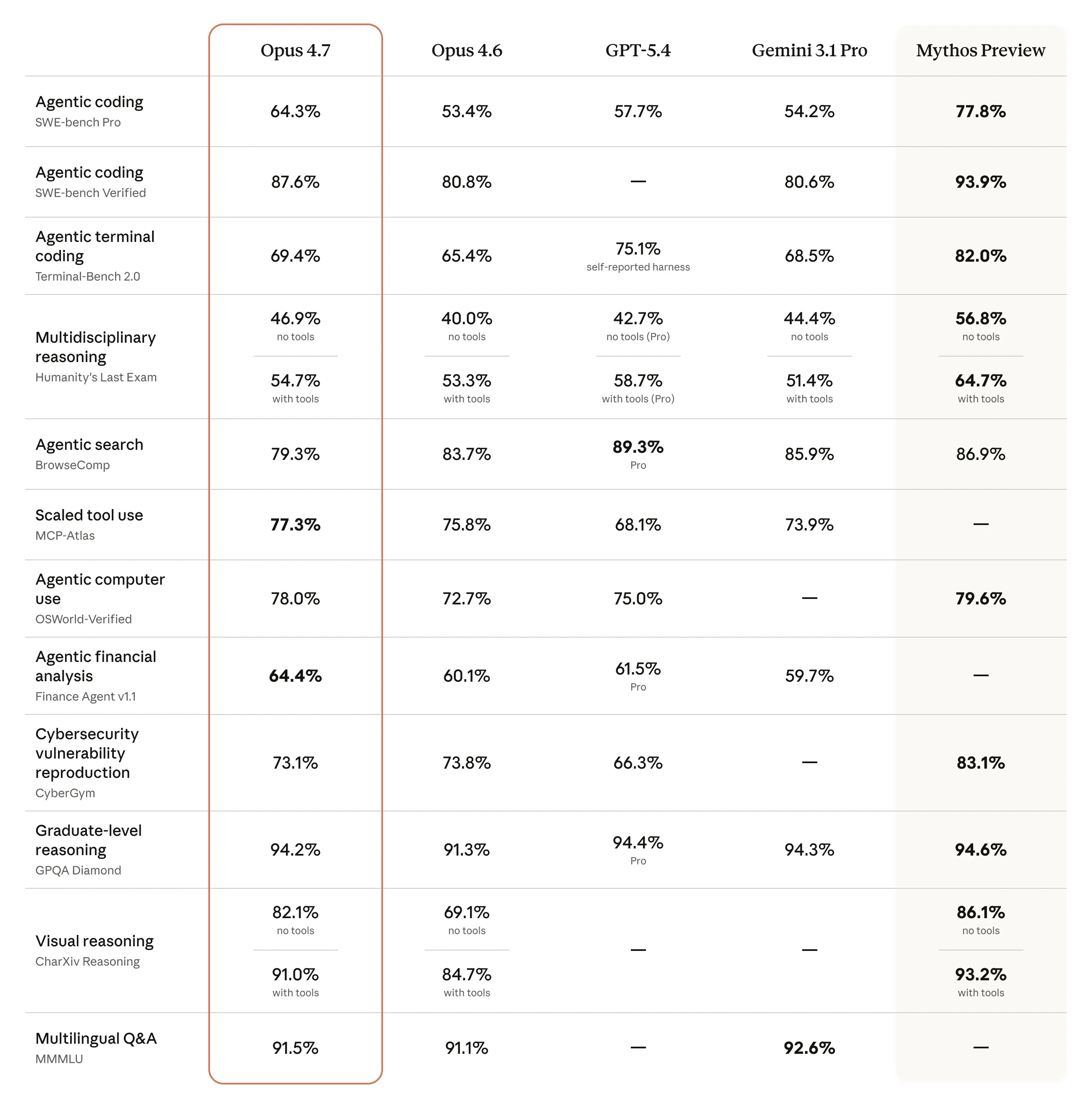
Anthropic released Claude Opus 4.7 this week. As a team that builds custom software with AI at the core, we pay close attention to these releases — not for the headline numbers, but for what they mean in practice for the products we build and the engineering workflows we run every day.
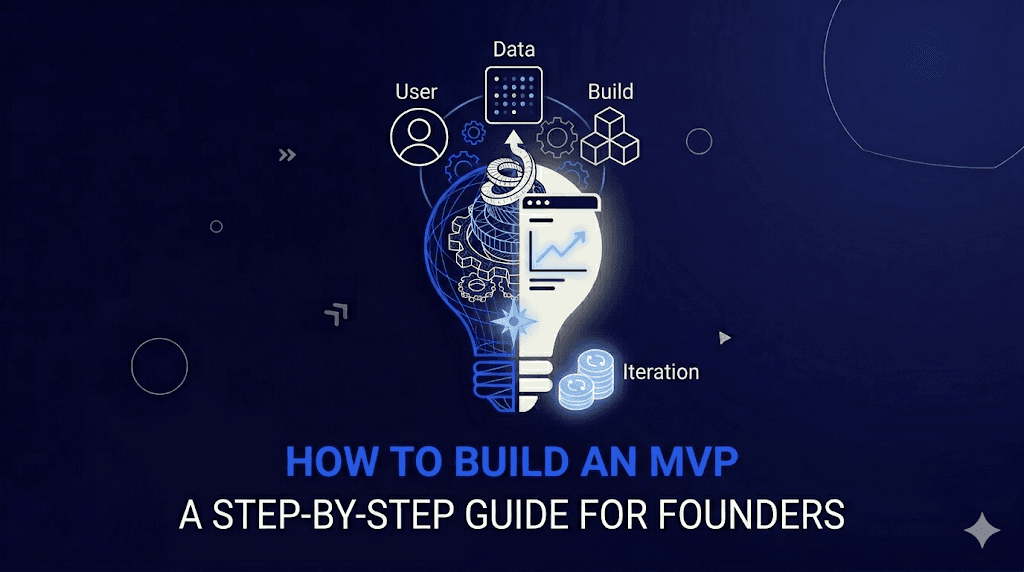
Building an MVP is not the same as building a product quickly. Done right, it's a structured process of deciding what not to build, so that what you do build tells you something useful. Here's how that process works, step by step.

The honest answer is: anywhere from £2,000 to £200,000+, depending on who builds it, how it's scoped, and what "MVP" means to the people in the room. That range isn't helpful on its own — so here's what actually drives the cost, and how to evaluate a quote before you commit to anything.

A minimum viable product is the smallest version of your product that delivers enough value for real users to actually use it — and gives you enough signal to know whether you're building the right thing. Not a prototype. Not a demo. A real product, with real constraints.
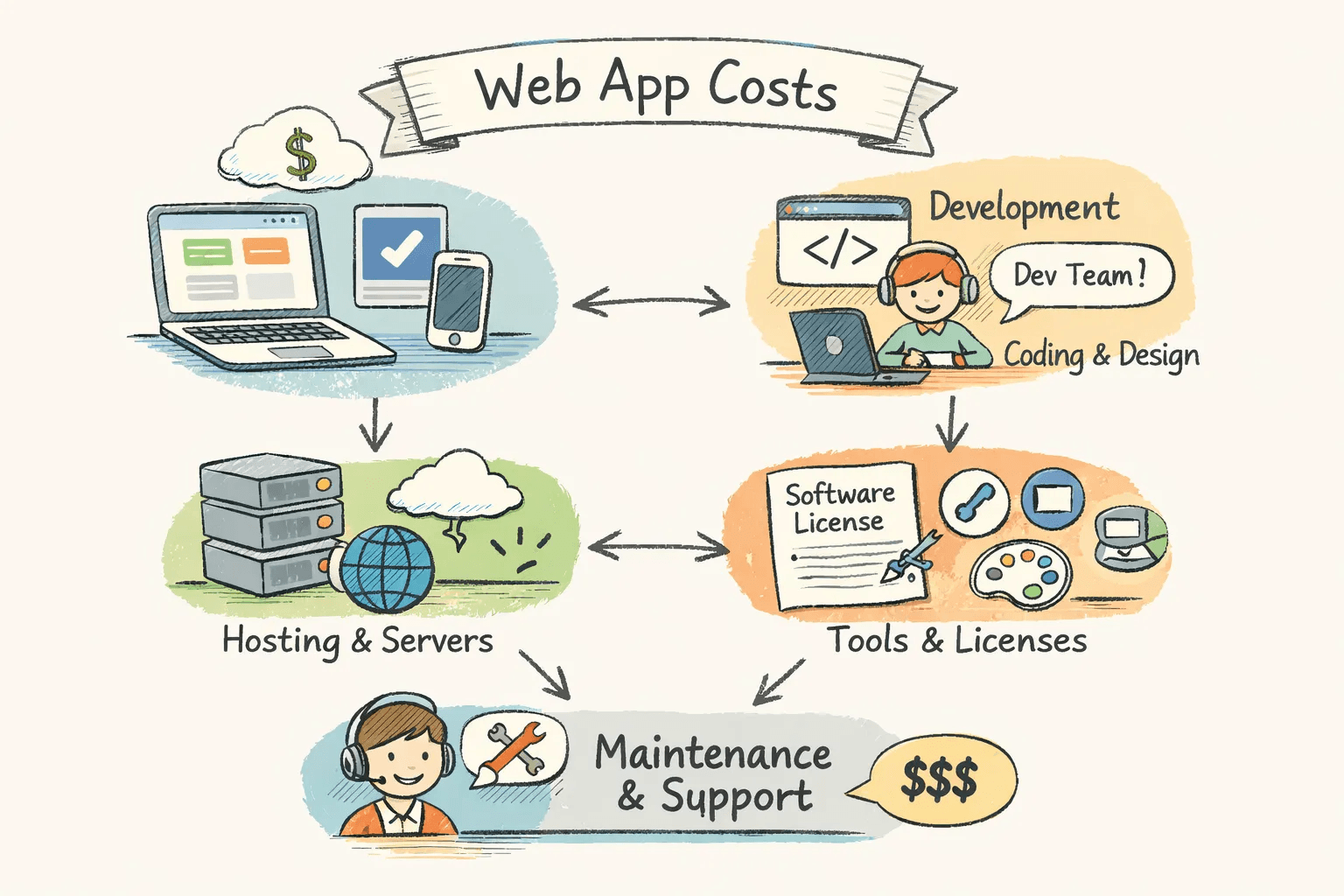
A clear cost breakdown for building a simple web application helps you pick the delivery approach that matches your timeline and cash runway. Always list maintenance and hosting as separate line items, because skipping recurring costs can double the effective budget for an MVP. These at-a-glance budgets make it easier to choose the lane that fits your risk tolerance and timeline.Costs vary for identical features because a handful of drivers change the work required: hourly developer rates, desired UX polish, third-party integrations, security and compliance needs, and project management overhead. Compare no-code and custom approaches to trade speed and lower upfront cost against long-term flexibility.

When speed matters more than feature counts, agencies specializing in lean startup development help founders get answers faster. They shorten the path to product-market fit by running rapid, hypothesis-driven experiments instead of delivering long feature lists. These teams translate the build-measure-learn loop into weekly experiments and use innovation accounting to track validation velocity, cost per learning, and pivot thresholds rather than chasing vanity metrics.


