Saanjha
How we helped a founder turn a personal mission into a platform and give athletes like Arif Khan the support system that nearly didn't exist
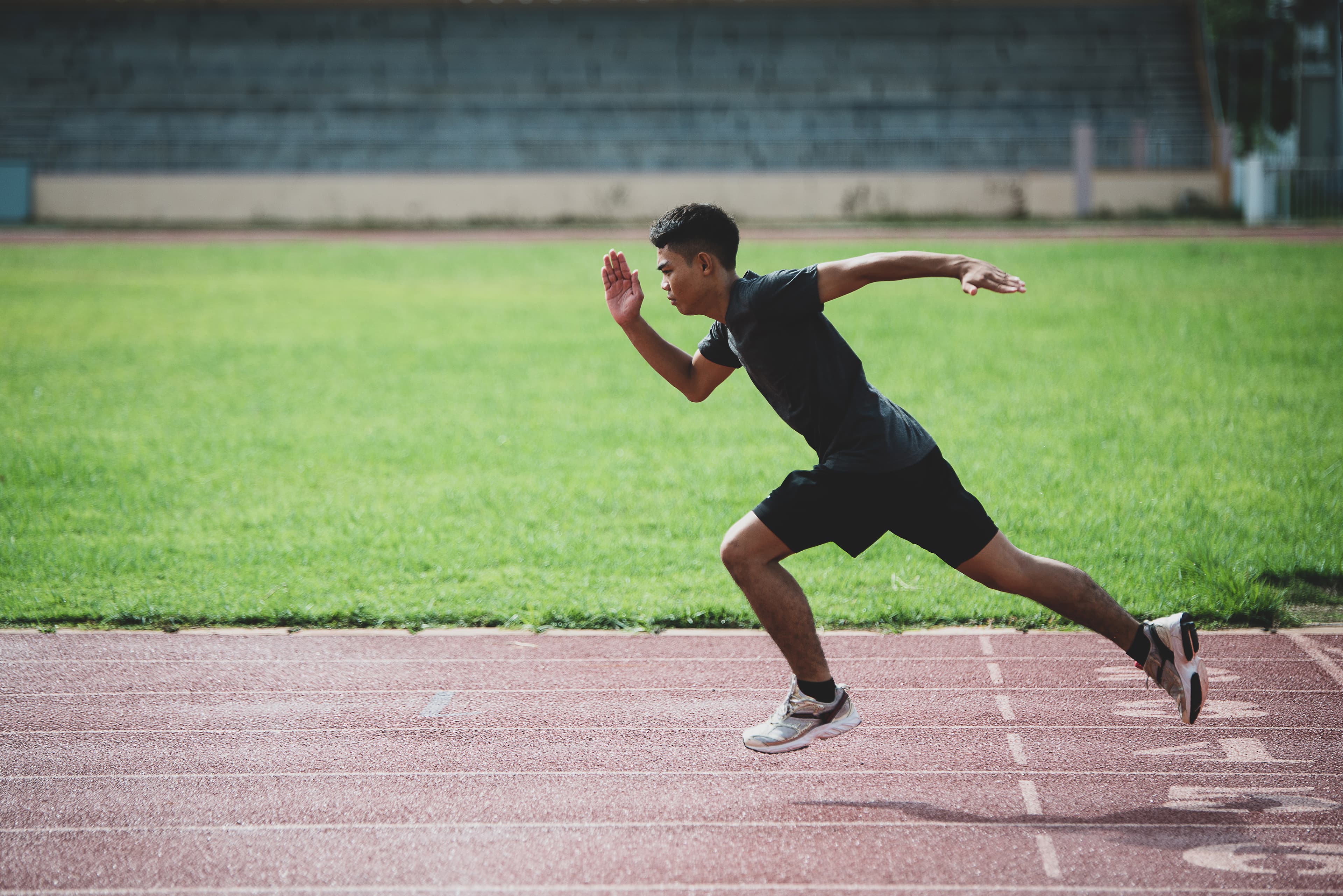
India produces extraordinary athletes. It also quietly fails most of them. Not the elite ones - they find sponsors, federations, government programmes. The failure happens a level below: the alpine skier from Kashmir who can't afford the flight to a qualifying event. The fencer who trains without the right equipment because her sport isn't high-profile enough. Athletes who have the ability but not the connections, and no way to close that gap alone.
Vasundhra Magotra had seen it first-hand with Arif Khan — a skier from Jammu and Kashmir who came within a fundraising shortfall of missing the 2022 Beijing Winter Olympics. The community that rallied around him got him there. He'll be at the 2026 Milano Cortina Winter Olympics too — one of only three Indian athletes ever to compete at two Winter Games. But the experience revealed something bigger. The gap wasn't just funding. It was discovery. Athletes couldn't find the people who wanted to help. Supporters couldn't find the athletes who needed them. There was no place for these two groups to meet. Saanjha was built to be that place.
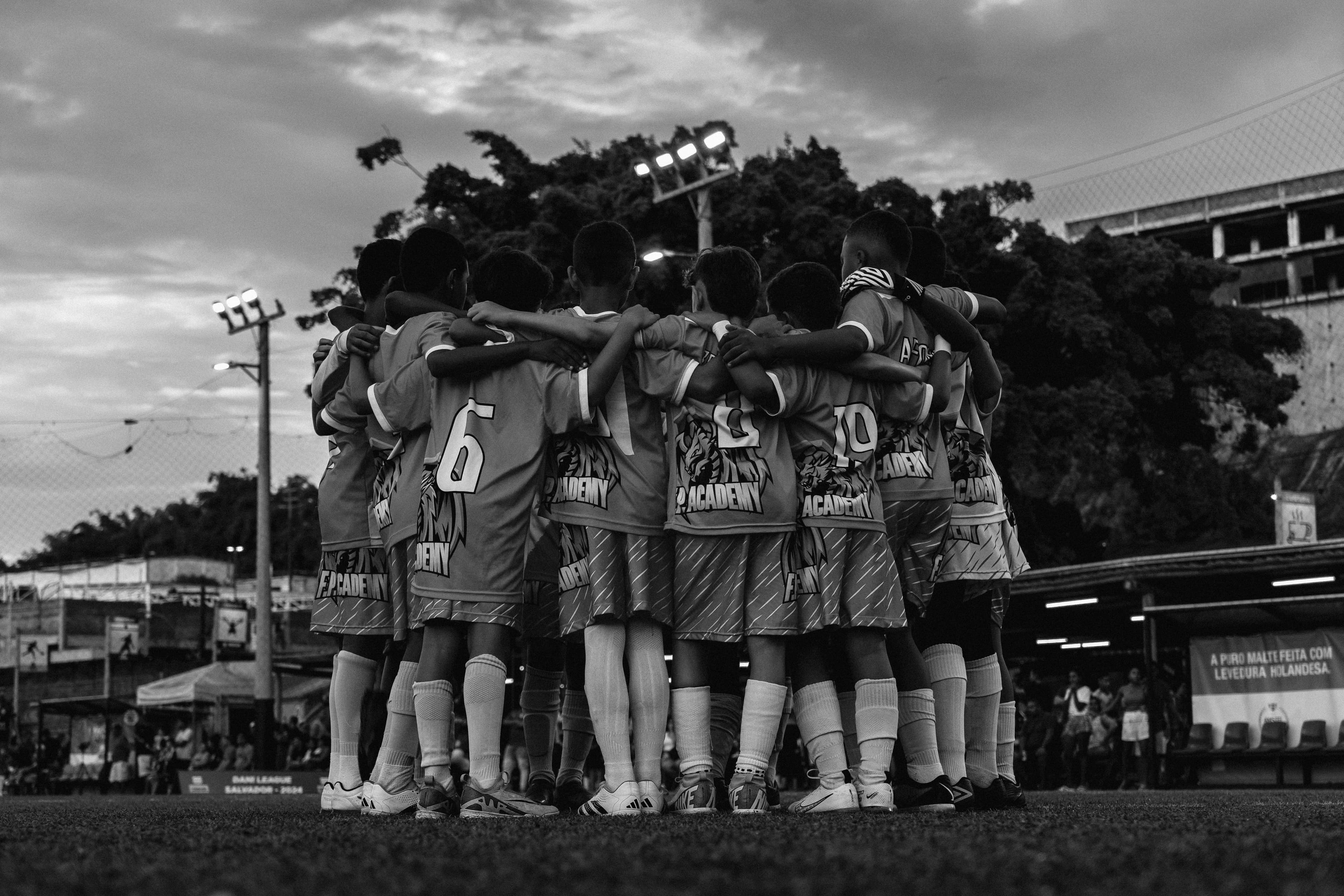
A crowdfunding platform sounds simple. This one wasn't. Sport support is nothing like backing a creative project. Athletes don't just need money, they need equipment, travel funding, mentors, sports psychologists, brand representation. A platform that only handled cash would solve part of the problem and miss the rest. It also had to serve two very different people at once: athletes trying to tell their story compellingly, and contributors - individuals, brands, NGOs trying to find athletes worth backing. Design it wrong for either side and the marketplace dies. Seekers leave because they can't get traction. Contributors leave because they can't find anyone worth supporting. And Saanjha was entering a space where trust is everything. Crowdfunding in India has a credibility problem. The platform needed to feel specific and transparent, not another generic fundraising tool with athletes on it.
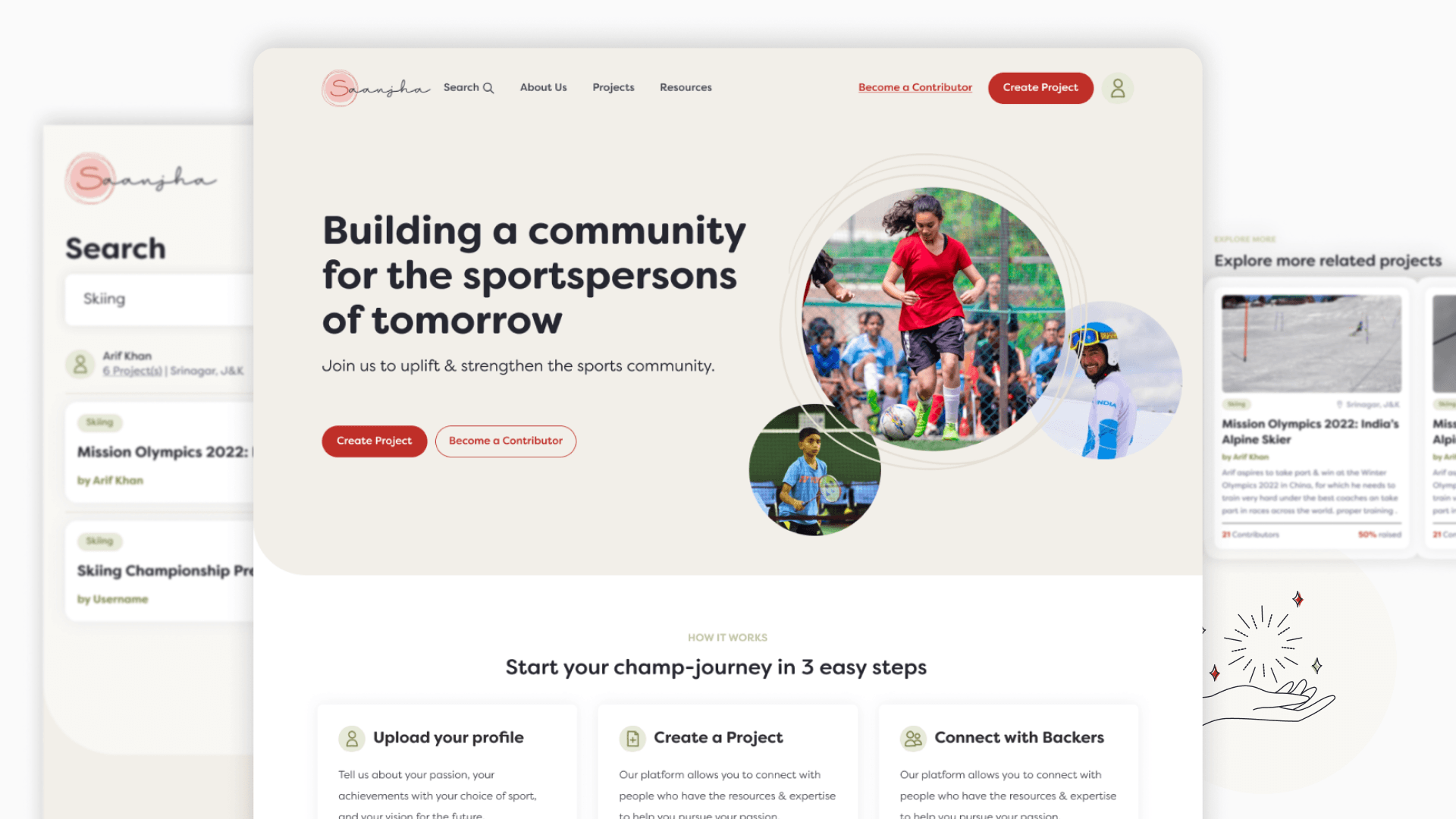
We built Saanjha as a two-sided platform with one clear job: connect athletes who need support with people who want to give it. Not a general fundraising tool repurposed for sport a platform designed specifically around the way sports support actually works. Seekers create profiles, define what they need (financial or otherwise), and tell their story.
Contributors browse, discover athletes that resonate with them, and support in whatever way they can: money, equipment, mentorship, brand representation. Every design and technology decision was made to reduce the friction between those two moments: the ask, and the answer.
"Saanjha" comes from saanjha chulha - the old Punjabi tradition of a shared community kitchen, where neighbours cooked together in one oven. Things possible together that aren't possible alone.
That meaning had to show up in every visual decision.
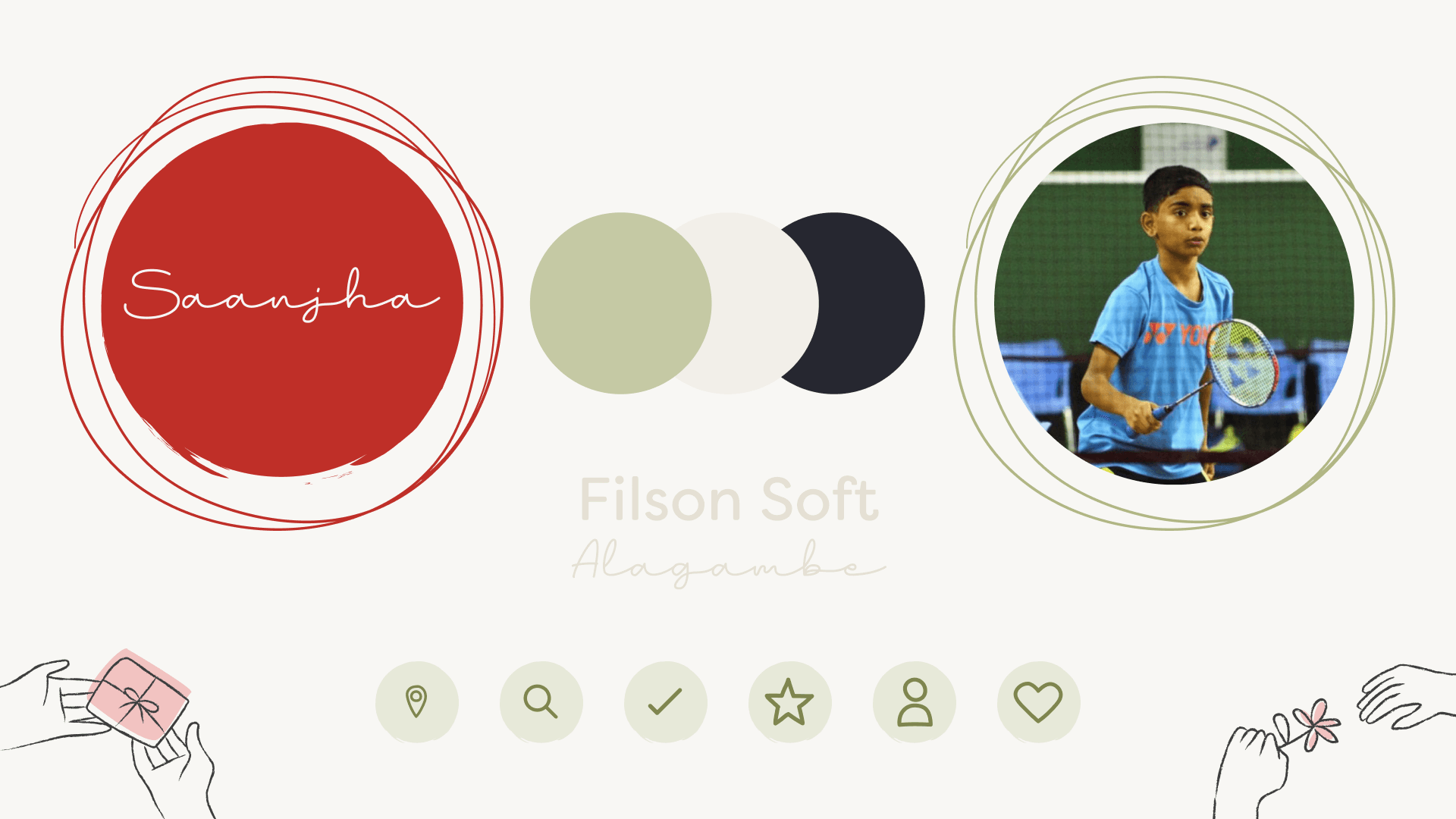
We chose soft pastels and warm tones instead of the bold, aggressive palette typical of sports brands. Saanjha isn't about elite performance, it's about people helping people. It needed to feel like a community that genuinely welcomes you in.
The primary colour, brick red, is auspicious in Indian culture - warm and alive without being loud. The typeface, Filson Soft, does something unusual for a sports platform: it feels human. Rounded, approachable, the opposite of corporate.
The logo brings the concept full circle, a globe with converging paths. Different people, from different places, meeting at one point. Community, made visual.
The hardest design problem: Saanjha has two completely distinct users, and both need to feel like the platform was built for them.
A Seeker - an athlete, arrives with a story and a specific ask. Their profile needs to make their journey legible to a stranger quickly. Onboarding had to be focused; we found early that users drop off when sign-up fields feel longer than the value they're getting. Every question had to earn its place.
A Contributor arrives wanting to find someone worth backing. They have specific interests - a sport, a region, a story type and limited patience. The card-style athlete profiles were built around fast discovery: enough context to feel the story, enough clarity to understand the ask, a direct path to contributing.
Same platform. Two languages. Each user feels it was made for them.
Saanjha's model creates a specific technical challenge - multiple athletes running multiple campaigns at once, each receiving contributions from multiple sources in multiple forms. The backend had to handle this without the Saanjha team manually managing every transaction.
We built self-serve from the start. Athletes create and manage their own profiles without needing Vasundhra's team to intervene. Contributions flow cleanly. And as the community grows, the platform scales with it, no rebuilding required.
Transparency wasn't a feature we added. It was a constraint we designed around. In the world Saanjha operates in, trust is the product.
Saanjha now supports over 60 athletes across India. Aadil Manzoor Peer in Icestock. Jyotika Dutta in fencing, who competed at the Asian Games. Athletes finding support that simply didn't exist for them anywhere else before.
What Vasundhra has now is more than a working product. It's a community infrastructure where an athlete from a conflict zone can find a stranger willing to back their shot at something bigger, and where that stranger doesn't have to look very hard to find them.
That was the brief. That's what we built.